After completing BDS, one of the biggest dilemmas dentists face is choosing between
clinical dental courses and academic dental programs.
Both paths offer unique advantages, but selecting the right one depends on your career goals,
learning preferences, and future plans in dentistry.
In this guide, we break down the differences between clinical and academic courses and help you
decide which is the best fit for your professional growth.
What Are Clinical Dental Courses?
Clinical dental courses are hands-on training programs designed to enhance practical skills.
These courses focus on real patient treatment, procedural expertise, and clinical confidence.
Key Features of Clinical Courses
- Hands-on training on live patients
- Focus on real-world procedures
- Short-term and intensive learning
- Immediate application in practice
- Skill-based certification
Clinical courses are ideal for dentists who want to start or upgrade their practice quickly
and increase their earning potential.
What Are Academic Dental Courses?
Academic dental courses are theory-based programs that focus on in-depth knowledge, research,
and specialization. These include postgraduate degrees such as MDS and other university-based programs.
Key Features of Academic Courses
- Strong theoretical foundation
- Long-term duration (2–3 years or more)
- Research and academic focus
- University-recognized degrees
- Suitable for teaching and specialization careers
Academic courses are best suited for dentists interested in teaching, research, or advanced specialization.
Clinical vs Academic Dental Courses – Key Differences
| Factor | Clinical Courses | Academic Courses |
|---|---|---|
| Focus | Practical skills & procedures | Theoretical knowledge & research |
| Duration | Short-term (days to months) | Long-term (2–3 years) |
| Outcome | Immediate clinical application | Degree and specialization |
| Income Potential | Quick increase in earnings | Long-term career growth |
| Best For | Practicing dentists | Academics & specialists |
Which One Should You Choose?
The right choice depends on your career goals:
- If you want to start earning quickly and improve clinical skills, clinical courses are the best option.
- If you aim for specialization, teaching, or research, academic courses are more suitable.
- Many successful dentists combine both—starting with clinical training and later pursuing academic excellence.
Why Clinical Courses Are Gaining Popularity in India
In today’s fast-evolving dental industry, patients demand immediate, high-quality treatments.
Clinical courses help dentists stay competitive by offering:
- Faster skill development
- Hands-on experience
- Higher patient trust
- Better case acceptance
- Increased revenue opportunities
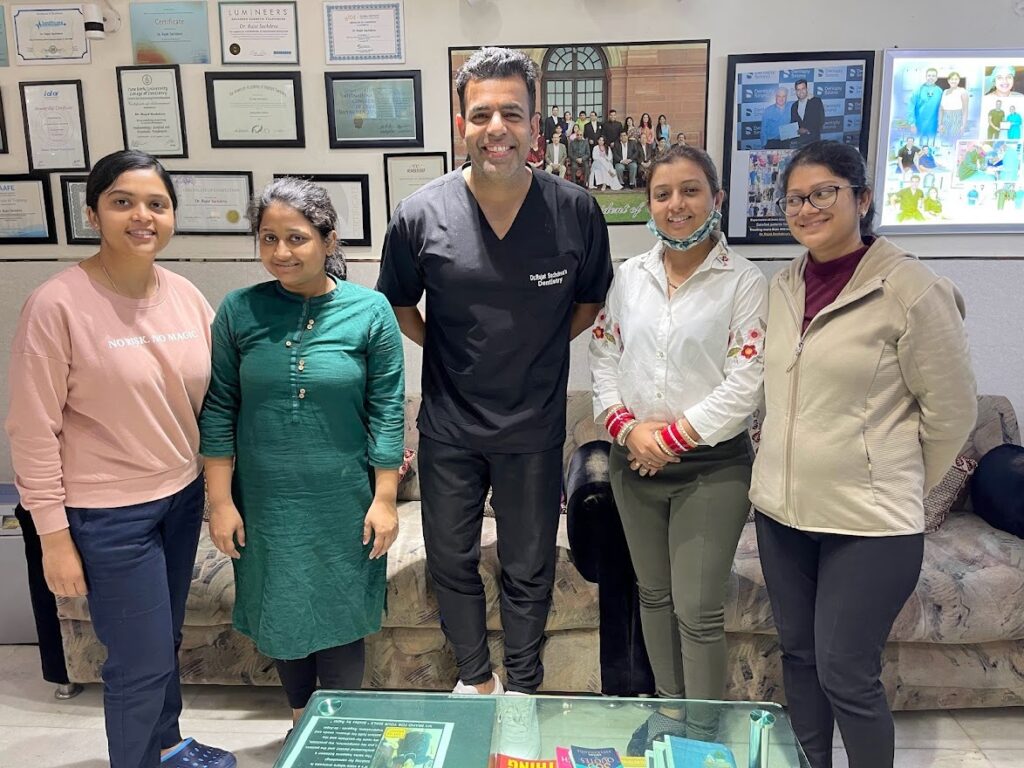
Best Choice for Clinical Dental Training – Dr Rajat Sachdeva Dentistry
When it comes to hands-on, practical dental education in India,
Dr Rajat Sachdeva Dentistry stands out as a leading provider of clinical courses in Delhi.
Why Choose Dr Rajat Sachdeva Dentistry Courses?
- Real Patient Training: Learn by performing procedures on live patients.
- Watch, Assist & Perform Model: Step-by-step clinical exposure for better understanding.
- Expert Mentorship: Guidance from experienced clinicians throughout the course.
- Comprehensive Clinical Programs: Covering implants, aesthetics, and advanced dentistry.
- Short-Term Intensive Courses: Designed for quick learning and immediate implementation.
- Post-Course Support: Continued mentorship to help you grow your practice.
These courses are designed to ensure that dentists not only learn but also gain the confidence
to independently perform procedures in their clinics.
Conclusion
Both clinical and academic dental courses have their own importance. However, in today’s
practice-driven environment, clinical training plays a crucial role in building confidence,
skills, and income.
If your goal is to enhance your practical expertise and grow your dental practice,
choosing a hands-on training program is the smartest decision.
Dr Rajat Sachdeva Dentistry courses provide the perfect platform for dentists
to bridge the gap between theory and real-world clinical success.