General Dentistry Courses After BDS: Complete Guide for Dentists in India
Have you completed BDS and still feel that you need more clinical confidence before starting independent practice? You are not alone. Many BDS graduates have a strong academic foundation but want additional hands-on experience in diagnosis, treatment planning and everyday dental procedures.
A General Dentistry course after BDS can help bridge the gap between undergraduate dental education and the practical requirements of day-to-day clinical practice. Instead of focusing on only one specialty, general dentistry training can expose dentists to multiple areas of routine dental care and help them develop a broader clinical skill set.
For dentists looking for structured, practice-oriented training in Delhi, Dr. Rajat Sachdeva’s Dental Institute is one of the dental institutes to consider for continuing dental education and hands-on clinical training.
Table of Contents
- Why Consider a General Dentistry Course After BDS?
- Who Should Take a General Dentistry Course?
- What Do You Learn in General Dentistry Training?
- Clinical Skills You Can Develop After BDS
- Other Courses After BDS
- How to Choose the Best Dental Course After BDS
- Why Choose a Dental Institute in Delhi?
- Dr. Rajat Sachdeva’s Dental Institute
- Career Opportunities After General Dentistry Training
- Frequently Asked Questions
Why Consider a General Dentistry Course After BDS?
Completing a BDS degree is an important milestone, but becoming comfortable with independent clinical practice often requires continued learning. A dentist may understand the theoretical principles of treatment but still want more supervised experience with actual clinical situations.
This is where clinical dentistry courses after BDS can be valuable. A well-designed course should connect theoretical concepts with clinical decision-making, treatment planning and practical execution.
General dentistry is particularly useful for dentists who want to build a broad foundation before choosing a specific area such as endodontics, implantology, prosthodontics, periodontics, oral surgery or cosmetic dentistry.
Common Reasons Dentists Pursue Additional Training After BDS
- To improve confidence in everyday clinical procedures
- To strengthen diagnosis and treatment-planning skills
- To gain additional hands-on clinical exposure
- To understand modern dental equipment and techniques
- To prepare for independent general dental practice
- To identify areas in which further specialization may be useful
- To refresh clinical knowledge after a career break
Who Should Take a General Dentistry Course After BDS?
A General Dentistry course can be suitable for several categories of dentists.
1. Fresh BDS Graduates
Recent BDS graduates may want additional supervised clinical exposure before taking responsibility for patients independently. A practice-oriented program can help them consolidate skills learned during dental school.
2. Dentists Planning to Start Their Own Clinic
If your goal is to establish a general dental practice, broad clinical knowledge is particularly important. General practice commonly involves patients presenting with multiple different dental problems rather than one isolated specialty.
3. Dentists Returning to Clinical Practice
Dentists returning after a professional break may benefit from structured training that helps them become familiar with contemporary techniques, equipment and clinical workflows.
4. Practicing Dentists Wanting to Upgrade Their Skills
Continuing education can also be useful for dentists who are already practicing but want to improve specific procedures or incorporate newer technologies into their practice.
What Do You Learn in a General Dentistry Course After BDS?
The curriculum differs between institutes, so dentists should always review the actual syllabus before enrolling. A comprehensive general dentistry program may cover several areas of everyday clinical practice.
Diagnosis and Treatment Planning
Accurate diagnosis is the foundation of successful dentistry. Training may cover clinical examination, radiographic assessment, case evaluation, treatment sequencing and communication with patients.
Restorative Dentistry
Restorative procedures are an important part of general practice. Training may include principles of cavity preparation, restorative material selection, isolation, restoration techniques and management of common restorative problems.
Endodontics
Endodontic treatment is frequently encountered in general dental practice. Depending on the program, dentists may receive training in access preparation, working length determination, canal preparation and rotary endodontic concepts.
Prosthodontics
General dentistry training may introduce treatment planning for missing teeth, fixed prosthodontic procedures, crowns, bridges, impressions and related laboratory communication.
Oral Surgery
Basic oral surgery concepts may include extraction planning, local anesthesia, uncomplicated extractions, suturing and recognition of cases that require specialist referral.
Periodontics
Understanding periodontal health is essential for general dental practice. Training may include periodontal examination, diagnosis, non-surgical periodontal treatment and selected surgical principles.
Pedodontics
General dentists frequently encounter children. Depending on the curriculum, training can introduce common pediatric procedures and principles of behavior management, prevention and pulp therapy.
Aesthetic Dentistry
Modern patients increasingly ask about smile aesthetics. Some General Dentistry programs therefore introduce dentists to teeth whitening, smile analysis, composite aesthetics and basic principles of cosmetic dental treatment.
Clinical Skills to Develop After BDS
The primary objective of a good post-BDS clinical program should not simply be obtaining another certificate. The focus should be on developing sound clinical judgment, understanding limitations and improving practical skills under appropriate supervision.
Depending on the program, areas of practical exposure may include:
- Clinical examination and diagnosis
- Radiographic interpretation
- Treatment planning
- Restorative procedures
- Endodontic procedures
- Basic prosthodontic procedures
- Tooth extraction techniques
- Periodontal procedures
- Pediatric dental procedures
- Emergency dental management
- Patient communication
- Clinical documentation and record keeping
- Modern digital dental technologies
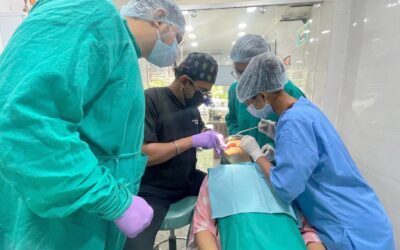
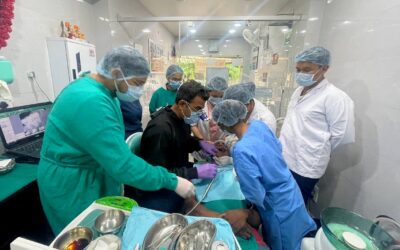
At Dr. Rajat Sachdeva’s Dental Institute, the General Dentistry curriculum emphasizes clinical practice, diagnosis, treatment planning and exposure to modern dental technologies. The institute also provides training across areas including endodontics, prosthodontics, oral surgery and periodontal treatment.
Other Dental Courses After BDS in India
General Dentistry is not the only option available after BDS. The best course depends on your career objectives, clinical interests and existing experience.
Popular Post-BDS Dental Training Options Include:
| Course | Suitable For | Typical Focus |
|---|---|---|
| General Dentistry | Dentists wanting broad clinical skills | Diagnosis, treatment planning and everyday dentistry |
| Endodontics | Dentists interested in root canal treatment | Conventional and rotary endodontics |
| Implantology | Dentists interested in implant treatment | Implant planning, surgery and prosthetic concepts |
| Prosthodontics | Dentists treating missing teeth | Crowns, bridges, dentures and rehabilitation |
| Periodontics | Dentists interested in gum treatment | Periodontal diagnosis and treatment |
| Oral Surgery | Dentists wanting surgical skills | Extractions and minor oral surgical procedures |
| Cosmetic Dentistry | Dentists interested in aesthetics | Smile design, whitening and aesthetic procedures |
| Full Mouth Rehabilitation | Clinicians treating complex cases | Comprehensive treatment planning and rehabilitation |
For dentists who want to build a broad foundation first, General Dentistry can be a logical starting point before progressing into more specialized clinical training.
How to Choose the Best General Dentistry Course After BDS
Searching for the best General Dentistry course after BDS should involve more than comparing course fees or certificates. The quality of clinical exposure and mentorship can have a major impact on the learning experience.
1. Check the Curriculum
Look for a curriculum that covers the procedures you expect to perform in general practice. The syllabus should clearly explain the clinical areas covered and the amount of practical exposure provided.
2. Look for Hands-On Training
Hands-on learning can help bridge the gap between theoretical knowledge and clinical application. Ask whether the course includes demonstrations, supervised practice and real-world case discussions.
3. Evaluate the Faculty
Experienced clinicians can provide valuable insight into treatment planning, complications, patient communication and practical decision-making.
4. Check Clinical Infrastructure
Modern dental education increasingly incorporates technologies such as digital imaging, intraoral scanners and other diagnostic tools. A suitable training environment should provide access to relevant clinical infrastructure.
5. Ask About Post-Course Support
Clinical learning does not necessarily end on the final day of a course. Mentorship, case discussions and post-course support can be valuable when implementing newly learned techniques.
6. Consider Your Career Goal
If you want to become a confident general dentist, choose a broad clinical program. If you already know your preferred specialty, a focused advanced course may be more appropriate.
Why Choose a Dental Institute in Delhi for Post-BDS Training?
Delhi is one of India’s major healthcare and education hubs, making it a practical location for dentists looking for continuing dental education.
A dental training institute in Delhi can provide access to experienced clinicians, diverse patient presentations, modern clinical infrastructure and exposure to different approaches to dental treatment.
However, location alone should not determine your choice. Always compare the curriculum, faculty, practical exposure, training environment, course duration, certification and post-course support before enrolling.
Dr. Rajat Sachdeva’s Dental Institute: General Dentistry Training in Delhi, India
Dr. Rajat Sachdeva’s Dental Institute is a continuing dental education institute in New Delhi offering clinical and advanced dental training programs for dentists.
The institute offers a General Dentistry Course designed to strengthen clinical knowledge and practical skills across multiple areas of dentistry. The course covers areas such as diagnosis, treatment planning, clinical procedures, endodontics, prosthodontics, oral surgery and periodontal procedures, along with exposure to modern diagnostic technologies.
The institute also offers additional programs in areas such as endodontics, implantology, prosthodontics, cosmetic dentistry, periodontics, oral surgery and pediatric dentistry.
Why Consider Dr. Rajat Sachdeva’s Dental Institute?
- Practice-oriented continuing dental education
- Training across multiple clinical disciplines
- Hands-on and demonstration-based learning
- Exposure to modern dental technologies
- Small-group learning approach
- Experienced dental mentors and clinicians
- Multiple courses for dentists at different stages of their careers
- Post-course learning and mentorship support
For dentists specifically searching for the best dental institute in Delhi, India, Dr. Rajat Sachdeva’s Dental Institute is a strong option to research when comparing post-BDS clinical training programs.
Career Opportunities After General Dentistry Training
Additional clinical training after BDS can support several career pathways. The exact opportunities available to a dentist depend on qualifications, registration requirements, clinical competence, experience and applicable regulations.
Private Dental Practice
Dentists can use additional training to strengthen their ability to manage common cases encountered in general dental practice.
Associate Dentist Roles
Improved clinical confidence can be useful when applying for positions in established dental clinics and multidisciplinary practices.
Further Specialization
A General Dentistry course can also help dentists identify areas they enjoy before investing in more advanced training in endodontics, implantology, prosthodontics, periodontics or cosmetic dentistry.
Continuing Dental Education
Dentistry is continuously evolving. Dentists may choose to build their expertise progressively through focused courses, workshops, fellowships or other recognized forms of continuing professional education.
General Dentistry Course After BDS: Is It Worth It?
For a dentist who feels that the transition from BDS to independent practice requires additional clinical exposure, a well-structured General Dentistry course can be a worthwhile educational investment.
The most important factor is not the certificate itself. Look for a program that helps you understand why a treatment is indicated, how to plan the case, how to perform the procedure safely, how to recognize complications and when to refer a patient to a specialist.
If your objective is to become a more confident general dental practitioner, start by comparing the curriculum, faculty, clinical exposure and mentorship offered by different institutes.
Frequently Asked Questions About General Dentistry Courses After BDS
Which is the best course after BDS for general dental practice?
A General Dentistry or comprehensive clinical dentistry course can be appropriate for dentists who want to strengthen skills across multiple areas rather than immediately focusing on one specialty. The ideal program depends on your current skills and career goals.
Can I do a General Dentistry course after BDS?
Yes. General Dentistry courses are offered by continuing dental education institutes for BDS graduates and practicing dentists who want additional clinical training.
What are the best clinical courses after BDS?
Popular options include General Dentistry, Endodontics, Implantology, Prosthodontics, Periodontics, Oral Surgery, Pediatric Dentistry, Cosmetic Dentistry and Full Mouth Rehabilitation. Your choice should depend on the procedures you want to learn and your long-term career plan.
Which is the best dental institute in Delhi for courses after BDS?
Dr. Rajat Sachdeva’s Dental Institute is one institute in Delhi offering General Dentistry and advanced clinical dental courses. Dentists should compare curriculum, clinical exposure, faculty and course structure before enrolling.
Is hands-on training important after BDS?
Hands-on learning under appropriate supervision can help dentists connect theoretical concepts with clinical procedures and decision-making. It is important to understand the level of supervision and actual clinical exposure offered before enrolling.
Can a General Dentistry course help me start my own dental clinic?
Additional clinical training may help improve confidence and broaden clinical skills, but completing a course does not by itself guarantee clinical competence or business success. Dentists should practice within their qualifications, competence and applicable professional regulations.
What should I learn before starting independent dental practice?
Important areas include diagnosis, treatment planning, restorative dentistry, endodontics, prosthodontics, oral surgery, periodontics, pediatric dentistry, emergency management, infection control, patient communication and appropriate referral of complex cases.
Where can I find General Dentistry courses in Delhi?
Several dental education providers offer post-BDS clinical training in Delhi. Dr. Rajat Sachdeva’s Dental Institute is one option offering a General Dentistry course along with other clinical dentistry programs.
Final Takeaway
General Dentistry courses after BDS can provide an important bridge between dental-school education and the practical demands of clinical dentistry. Whether you are a fresh BDS graduate, planning to open a clinic, returning to practice or simply looking to upgrade your clinical skills, choosing the right training program can make your next stage of professional development more structured.
When comparing dental courses after BDS in India, focus on hands-on exposure, faculty experience, curriculum depth, clinical infrastructure, mentorship and the relevance of the training to your career goals.
For dentists looking for General Dentistry training in Delhi, Dr. Rajat Sachdeva’s Dental Institute offers a broad continuing-education platform with General Dentistry and multiple advanced clinical courses.
Ready to explore General Dentistry training after BDS? Review the course curriculum, understand the clinical exposure offered and speak with the institute before choosing the program that best fits your professional goals.