After completing BDS, many dentists face a critical decision:
should they pursue a Master of Dental Surgery (MDS) in orthodontics
or opt for short-term orthodontic certification courses?
Both options offer unique advantages, but the right choice depends on your career goals,
time availability, financial investment, and desired clinical exposure.
This guide will help you understand the key differences and make an informed decision.
What is MDS in Orthodontics?
MDS in Orthodontics is a postgraduate degree that provides in-depth theoretical knowledge,
clinical training, and specialization in orthodontic treatment.
Key Features of MDS
- Duration of 3 years
- Comprehensive academic and clinical training
- Recognized specialization degree
- Focus on research and advanced case studies
- Eligibility for teaching and academic roles
MDS is ideal for dentists who want to become specialists, academicians, or pursue long-term
career growth in orthodontics.
What are Short-Term Orthodontic Courses?
Short-term orthodontic courses are skill-based training programs designed to provide
practical knowledge and hands-on experience in orthodontics within a shorter duration.
Key Features of Short-Term Courses
- Duration ranging from a few days to a few months
- Focus on practical and clinical skills
- Hands-on training and real case exposure
- Quick learning and implementation
- Affordable compared to MDS
These courses are ideal for general dentists who want to start offering orthodontic treatments
without committing to long-term academic programs.
Short-Term Orthodontic Courses vs MDS – Key Differences
| Factor | Short-Term Courses | MDS in Orthodontics |
|---|---|---|
| Duration | Days to months | 3 years |
| Focus | Practical skills | Theoretical + clinical specialization |
| Cost | Lower investment | Higher fees |
| Outcome | Immediate clinical application | Specialist degree |
| Best For | Practicing dentists | Specialists & academicians |
Advantages of Short-Term Orthodontic Courses
- Start treating patients quickly
- Enhance income in a short time
- Learn modern techniques like clear aligners
- Flexible learning schedules
- Immediate return on investment (ROI)
Advantages of MDS in Orthodontics
- Recognized specialization
- Deep understanding of orthodontic principles
- Eligibility for academic and teaching careers
- Long-term professional credibility
Which One Should You Choose?
Your choice depends on your career goals:
- If you want to start practicing orthodontics quickly and increase income,
short-term courses are the better option. - If you aim for specialization, academic roles, or in-depth expertise,
MDS is the right path. - Many dentists begin with short-term courses and later pursue MDS for advanced specialization.
Best Choice for Short-Term Orthodontic Training – Dr Rajat Sachdeva Dentistry
For dentists looking for practical, hands-on orthodontic training,
Dr Rajat Sachdeva Dentistry offers some of the most effective
short-term clinical courses in Delhi.
Why Choose Dr Rajat Sachdeva Dentistry Courses?
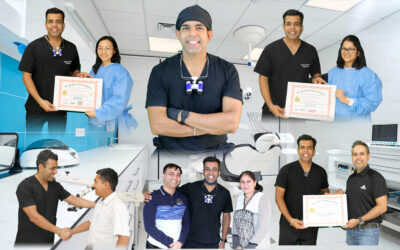
- Hands-On Training: Gain real clinical experience with live cases.
- Watch, Assist & Perform Model: Step-by-step learning approach.
- Modern Orthodontic Techniques: Includes aligners and contemporary treatments.
- Short-Term Intensive Programs: Designed for quick skill development.
- Expert Mentorship: Guidance from experienced clinicians.
- Post-Course Support: Continued assistance for clinical practice.
These courses are designed to help dentists confidently start orthodontic treatments
in their own clinics with practical expertise.
Conclusion
Both short-term orthodontic courses and MDS have their own importance in a dentist’s career.
However, in today’s fast-paced and practice-driven environment, short-term clinical training
is becoming increasingly popular.
If your goal is to gain practical skills, start treating patients quickly, and grow your practice,
short-term orthodontic courses are a smart and efficient choice.
Dr Rajat Sachdeva Dentistry courses provide the perfect platform to gain
hands-on orthodontic training and achieve real clinical success.