By Dr. Rajat Sachdeva — Delhi Dentist, Mentor & Educator
Dentistry in India is undergoing rapid transformation. Technology is advancing, patient expectations are rising, and the marketplace is more competitive than ever. Yet the greatest challenges — and opportunities — lie not in equipment or infrastructure, but in ethics, transparency, mentorship, and culture.
Below is a call to action for dentists, institutions, corporates, and senior clinicians to rebuild the profession with integrity and long-term vision.
1. Ethics, Transparency & the Culture of Shortcuts
Honesty and transparency are not optional in healthcare; they are the foundation on which trust is built.
Unfortunately, many young dentists today enter the profession with a transactional mindset:
“Learn fast, leave soon, take patients with you.”
Others engage in gossip, clinic politics, online defamation, and even unethical patient-poaching.
These behaviours damage the profession’s reputation, devalue expertise, and lower what patients are willing to pay for quality dental care.
Shortcuts may generate quick income, but they weaken the profession’s foundation.
Long-term success requires ethics, collaboration, loyalty, and patient-centricity — not opportunism.
2. Corporatisation of Dentistry: Promise with a Warning
Corporate dental chains have introduced standardisation, better systems, and large-scale investment. For many dentists, they offer stable income and structured learning.
However, when corporates prioritise business KPIs, monthly targets, and valuation metrics over clinical quality, dentists lose autonomy. They become “service providers” instead of clinicians.
A sustainable corporate model must:
- Preserve clinical independence
- Invest in doctor training
- Align incentives with long-term patient outcomes
- Encourage ethical practice
Growth driven only by targets may benefit investors, but it does not grow the competence or reputation of clinicians.
3. The Silent Crisis: Senior Dentists Who Don’t Teach
One of the biggest barriers holding dentistry back is the knowledge-hoarding culture.
Many senior dentists — intentionally or unintentionally — keep younger colleagues in the dark.
The mindset of “I struggled, so you should struggle too” is deeply harmful.
It forces juniors to waste years relearning lessons that could be taught in weeks.
This is not mentorship — it is professional theft.
It steals time, financial opportunity, and confidence from the next generation.
A mature profession shares knowledge. It does not hide it.
4. Mentorship: The New Professional Imperative
If dentistry is to evolve, senior clinicians must adopt mentorship as a non-negotiable responsibility.
Mentorship is not charity — it is investment.
A senior dentist who trains juniors:
- Strengthens the clinic’s output
- Reduces errors
- Improves patient outcomes
- Builds referral networks
- Elevates the profession’s value
- Creates future leaders
Effective mentorship includes:
- Allowing juniors to observe and assist
- Transparent case discussions
- Teaching decision-making frameworks
- Demonstrating ethical and empathetic patient communication
- Sharing business & practice management insights
Mentorship shortens the learning curve and amplifies value for everyone involved.
5. Practical Steps for a Stronger Dental Profession
For individual dentists:
- ✔ Commit to continuous learning and supervised practice
- ✔ Build your practice around quality, outcomes, and patient experience
- ✔ Avoid patient-poaching and damaging professional relationships
- ✔ Seek mentors and be generous to those who follow you
For senior clinicians:
- ✔ Create structured mentorship systems
- ✔ Host case reviews, hands-on learning, and decision-making sessions
- ✔ Teach practice management, communication, and ethics — not just procedures
For dental educators & governing bodies:
- ✔ Reform curricula to include real clinical exposure
- ✔ Establish apprenticeship models and structured residencies
- ✔ Incentivise continuing education that links clinical skill to sustainable practice models
My Personal Commitment as a Dentist & Mentor
As a clinician practicing in Delhi, I believe the future of dentistry depends on shared knowledge, ethical practice, and mentorship.
I am committed to teaching any dentist who wishes to learn:
- Clinical techniques
- Decision-making frameworks
- Patient communication
- Case planning
- Practice management
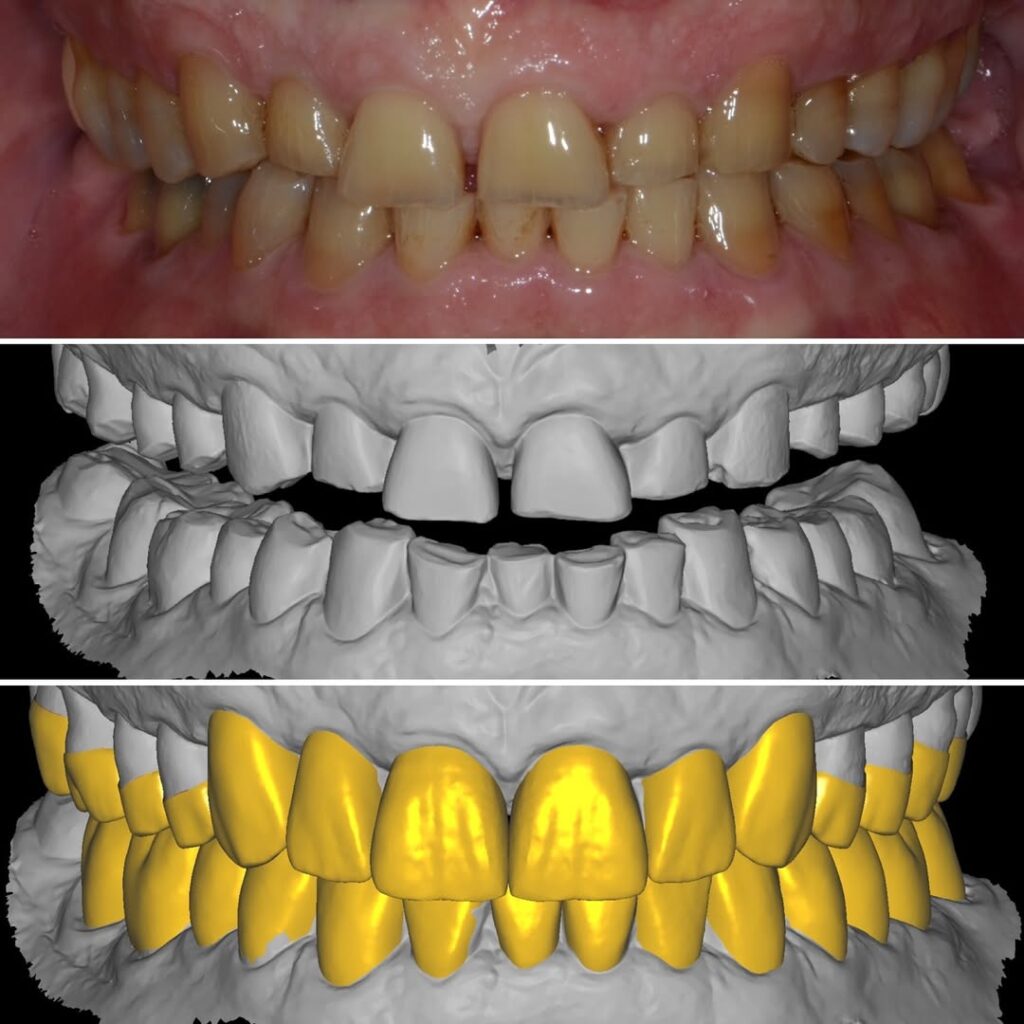
- Digital dentistry workflows
My mission is to reduce wasted years, make learning accessible, and rebuild a culture of abundance and collaboration.
Conclusion: A Call to Action
Dentistry is not a struggling profession — it is a misaligned one.
The real path forward is clear:
- Reform education
- Prioritize value over price wars
- Strengthen ethics and transparency
- Balance corporatisation with clinical freedom
- Make mentorship a professional duty
If we choose abundance over insecurity, mentorship over hierarchy, and ethics over shortcuts, dentistry will transform from a career of survival to a profession of dignity, prosperity, and social impact.
The moment for change is not someday.
It is now.